Physical Address
304 North Cardinal St.
Dorchester Center, MA 02124
Physical Address
304 North Cardinal St.
Dorchester Center, MA 02124
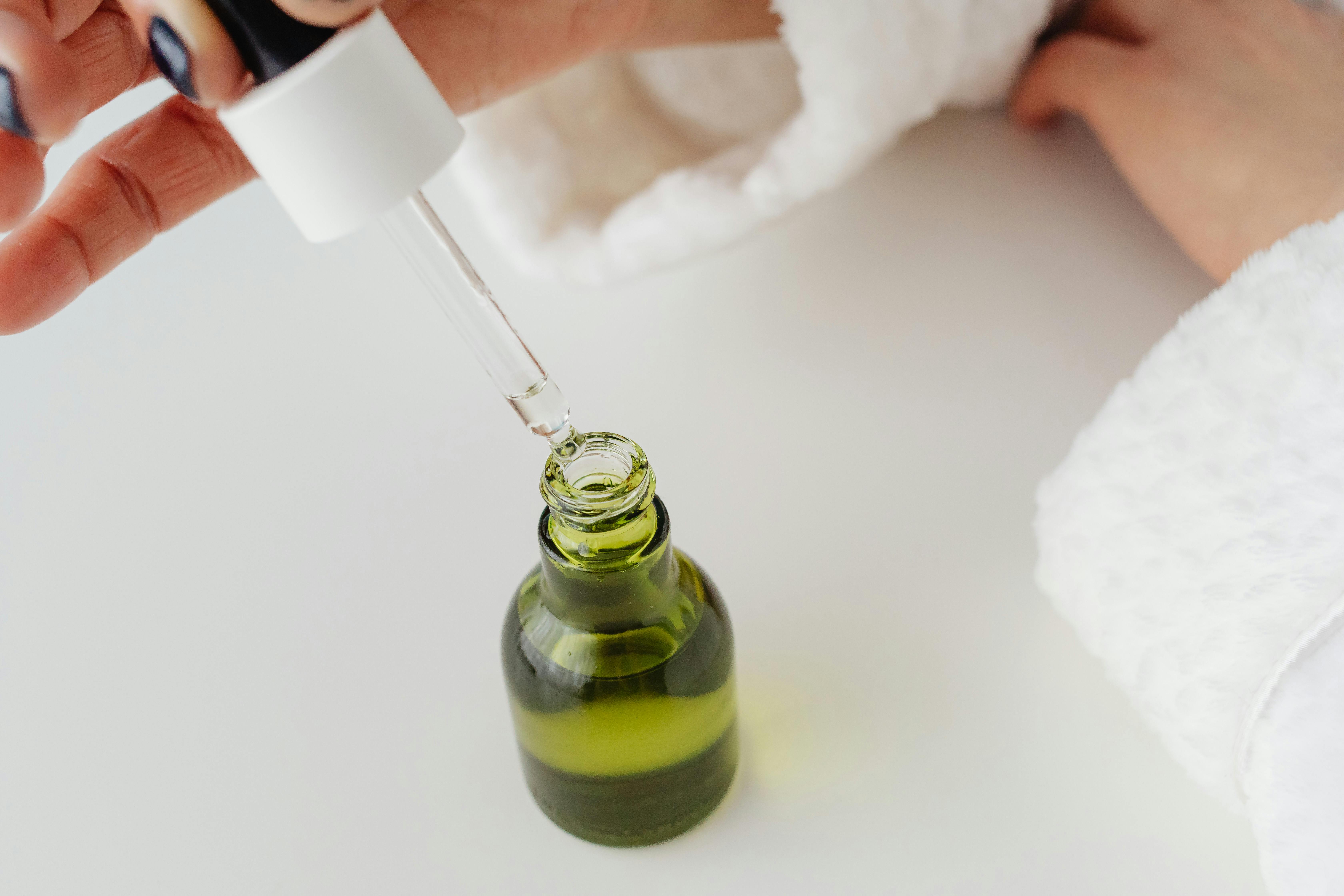
Does your skin feel tight and dehydrated even after using hyaluronic acid? You are probably making a few simple but common mistakes.
In this guide, I’ll explain why hyaluronic acid may not be working for you. More importantly, I’ll show you exactly how to fix it, so you can finally achieve the plump, hydrated skin you desire.
Hyaluronic acid is a humectant. This means it loves water. In fact, HA is so good at hydration that it can hold up to 1,000 times its weight in water.
When applied correctly, HA acts like a microscopic moisture magnet. It draws water from the air and from the deeper layers of your skin, then holding it at the surface. This process is what helps hydrate, plump, and smooth your complexion.
Here’s the key thing most people don’t realize: hyaluronic acid is a moisture manager, not a moisture creator. Simply put, it needs water to work its magic. This one concept explains almost everything that goes wrong!
If your skin is dry, hyaluronic acid has nowhere to pull moisture from except deeper within your skin. Over time, this can increase dehydration. The result? That tight feeling instead of promised plumpness.
Without a protective seal, that hydration can quickly evaporate into. This process is called transepidermal water loss (TEWL) and it leaves skin drier than before.
In dry or low-humidity environments (think desert climates or heated indoor air during winter), there’s very little moisture in the air for HA to pull from. When that happens, hyaluronic acid relies more heavily on your skin’s deeper water reserves, which then evaporate. The result? Dehydrated skin that feels tight instead of hydrated.
When your skin barrier is damaged, it lacks the lipids that normally prevent water loss. In this state, hydration escapes faster than hyaluronic acid can hold onto it, making HA feel ineffective, or in some cases, slightly irritating.
Not all hyaluronic acid serums are created equal. The effectiveness of HA depends on factors like molecular size, concentration, and (just as importantly) the supporting ingredients. A formula that relies solely on hyaluronic acid, without barrier-supporting ingredients, often falls flat.
Now that you know what’s sabotaging your results, let’s fix it. Here’s how to turn your skin from thirsty to hydrated.
Right after cleansing, while your face is still wet, pat on your HA serum. If you use other products first, simply mist your face with water, a hydrating toner, or an essence before applying HA to create the wet surface it craves.
Think of it this way: HA is your hydration booster and your moisturizer is the protective lid. This combination locks in moisture for lasting hydration.
If your environment is not humidity friendly, consider running a humidifier in your bedroom overnight. This gives HA plenty of external moisture to work with.
If your barrier is damaged, pause HA temporarily and focus on soothing ingredients (like ceramides, and panthenol). Once your skin is calm, you can restart HA.
Look for concentrations between 0.1–2% and multiple molecular weights. Also, check for supporting ingredients to help lock in hydration.
Now that we know the mistakes to avoid, let’s look at some hyaluronic acid serums that are well-formulated, hydrating, and gentle on the skin.
These products combine multiple molecular weights with supporting ingredients to maximize results without drying you out.
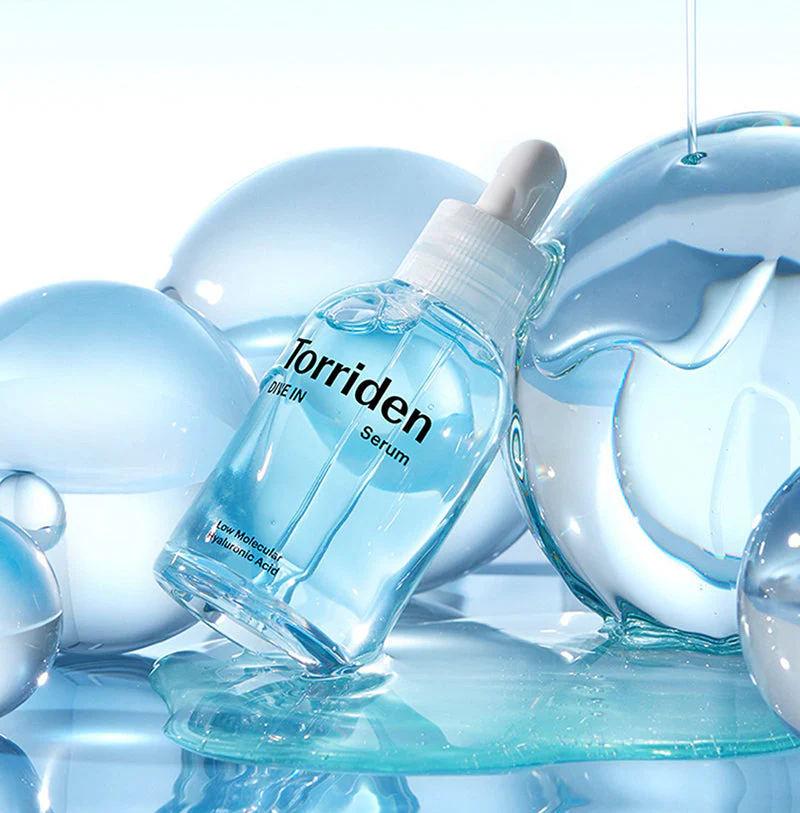
💧 Formulated with 5 different hyaluronic acid molecules
🧬 With beta-glucan, panthenol, allantoin, ceramides & madecassoside
🫧 Lightweight gel-serum that absorbs quickly without stickiness
🛡️ Balanced hydration and barrier support without heaviness
🌸 Best for dry, dehydrated, sensitive, or barrier-stressed skin
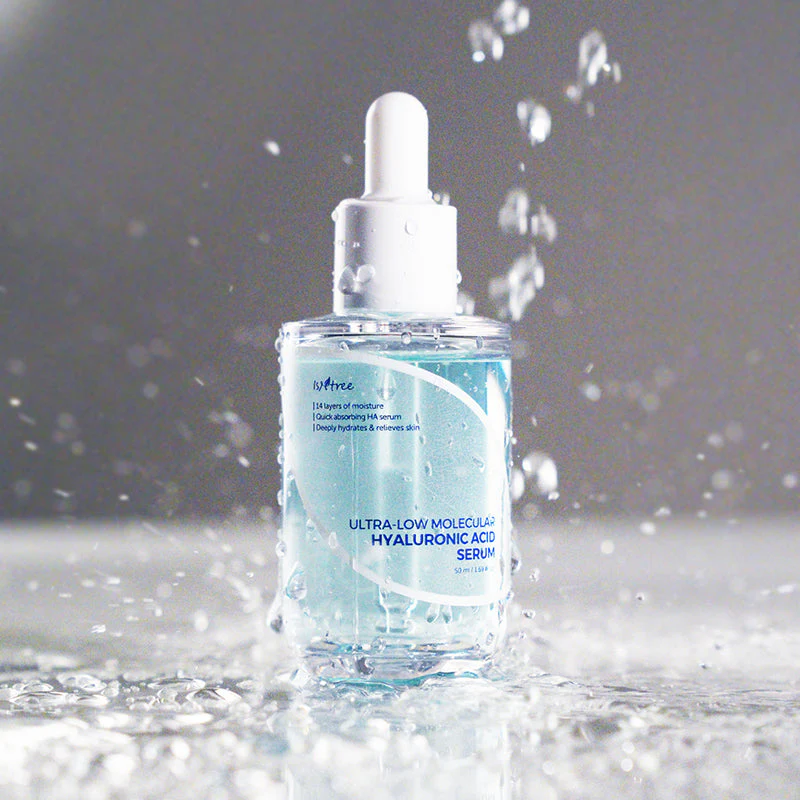
💧 5 types of hyaluronic acid, including ultra-low molecular HA
🧬Beta-glucan, panthenol, madecassoside and betaine for soothing hydration
🫧 Very lightweight, watery texture that absorbs instantly
🛡️ Hydrates without heaviness or residue and it’s fragrance-free
🌸 Best for oily, combination, dehydrated skin and humid climates
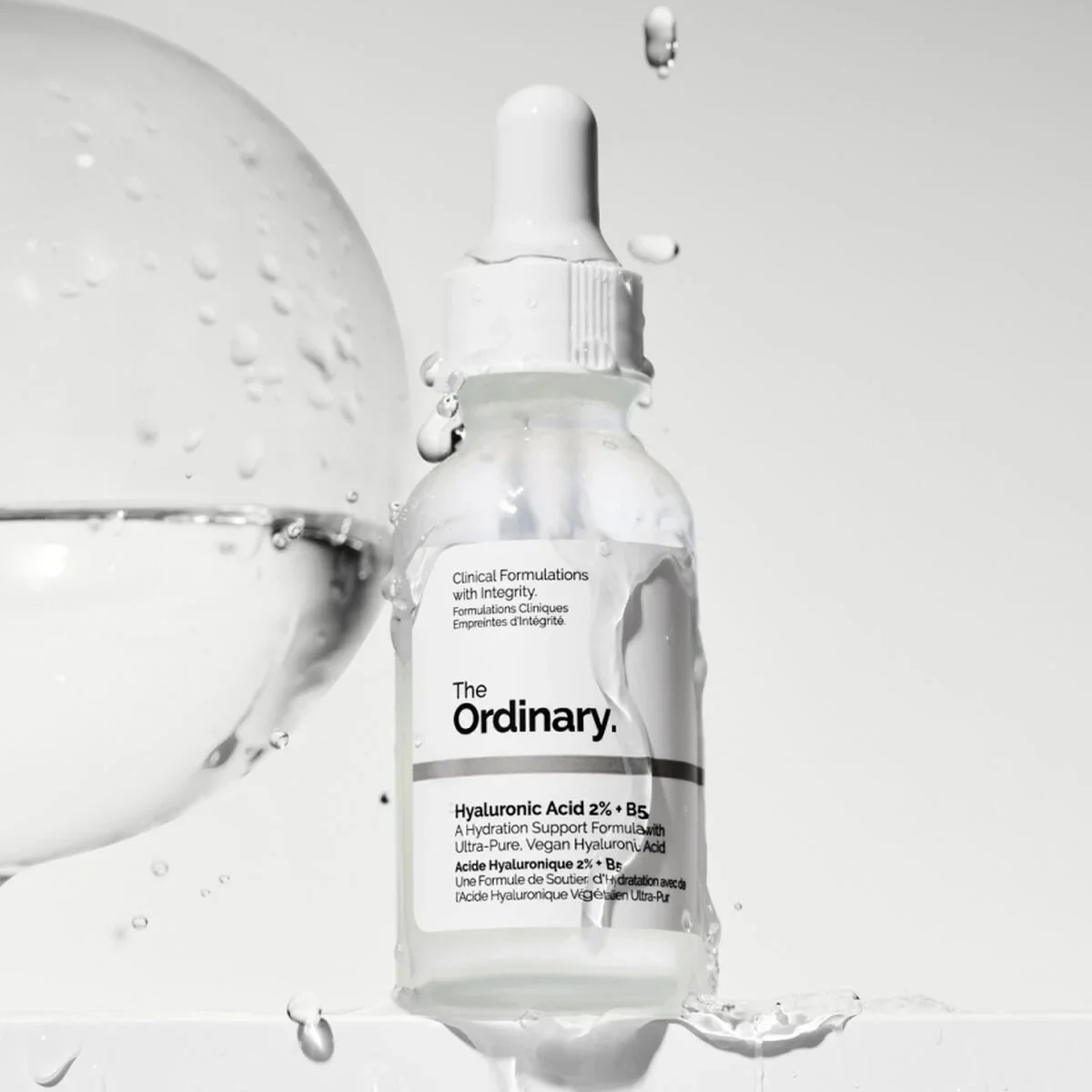
💧 3 types of hyaluronic acid, including crosslinked HA
🧬 Panthenol (B5) for basic barrier support
🫧 Thicker, slightly tacky gel texture
🛡️ Simple, and fragrance-free formula
🌸 Best for normal to dry skin, beginners and budget routines
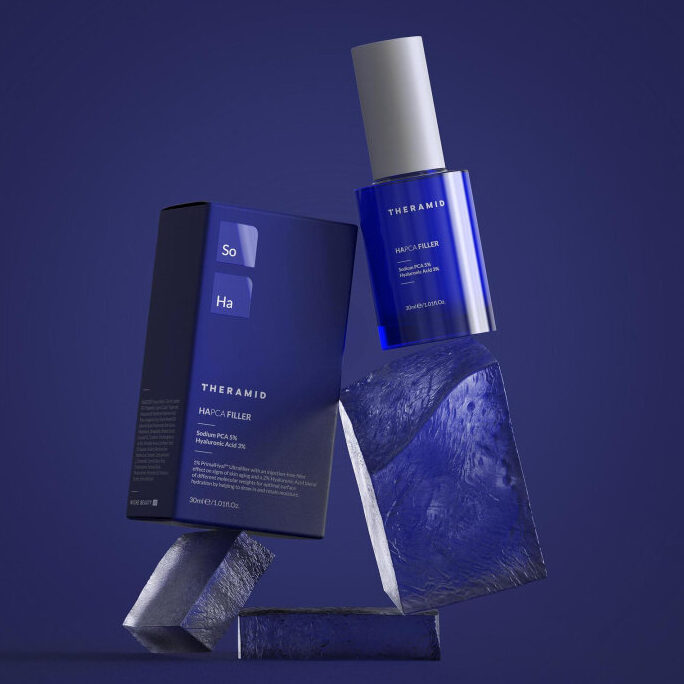
💧 2 types of hyaluronic acid
🧬 Sodium PCA, ceramides and beta-glucan to support the skin barrier
🫧 Lightweight, fragrance-free cream-serum texture with more cushion
🛡️ Combines hydration with barrier support and anti-aging properties
🌸 Best for dry, mature or compromised skin
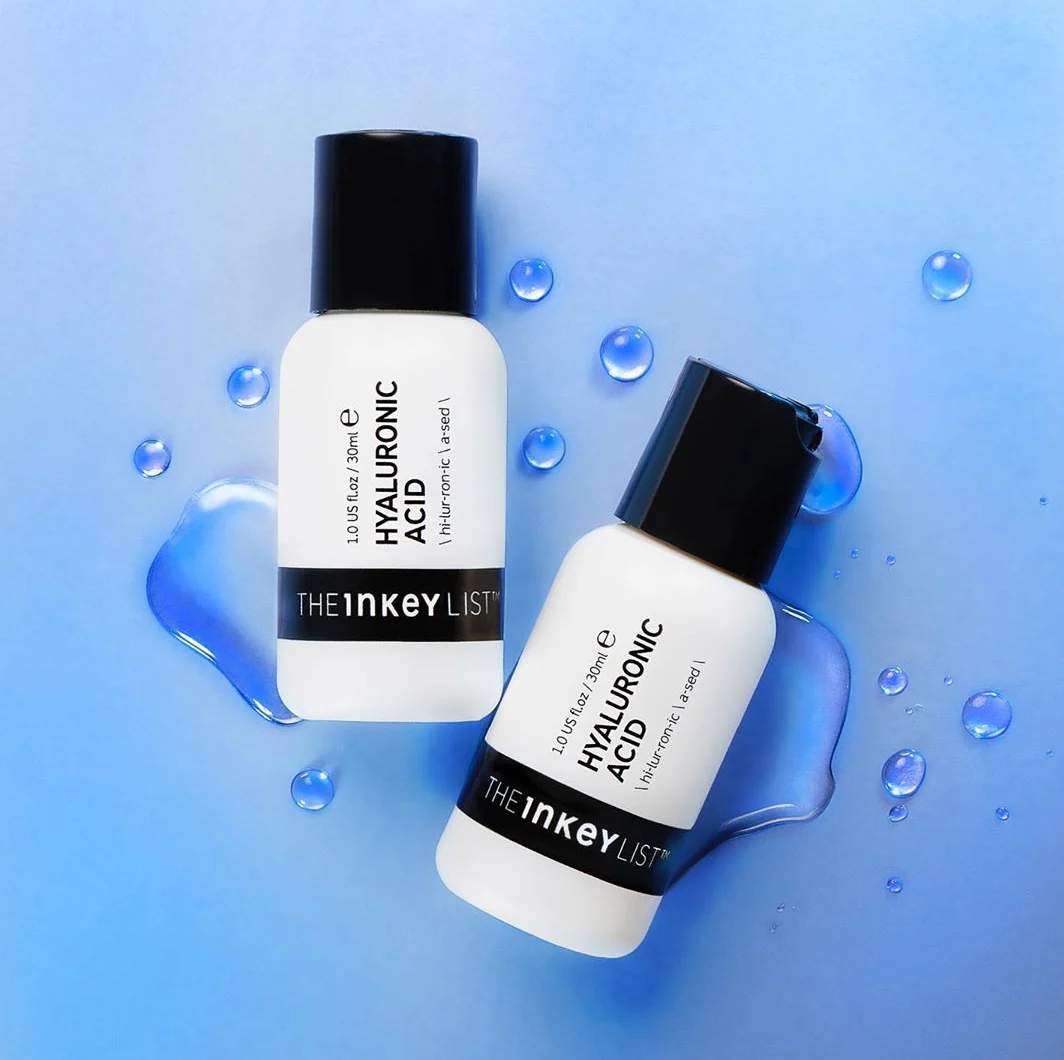
💧 2 types of hyaluronic acid
🧬 Peptides and panthenol to support skin comfort
🫧 Lightweight gel texture that layers well
🛡️ Fragrance-free formula
🌸 Best for normal to combination skin, beginners and budget routines
(Soon, I’ll be publishing a full guide on how to pick a well-formulated HA serum, so you’ll understand exactly why these choices stand out.)